
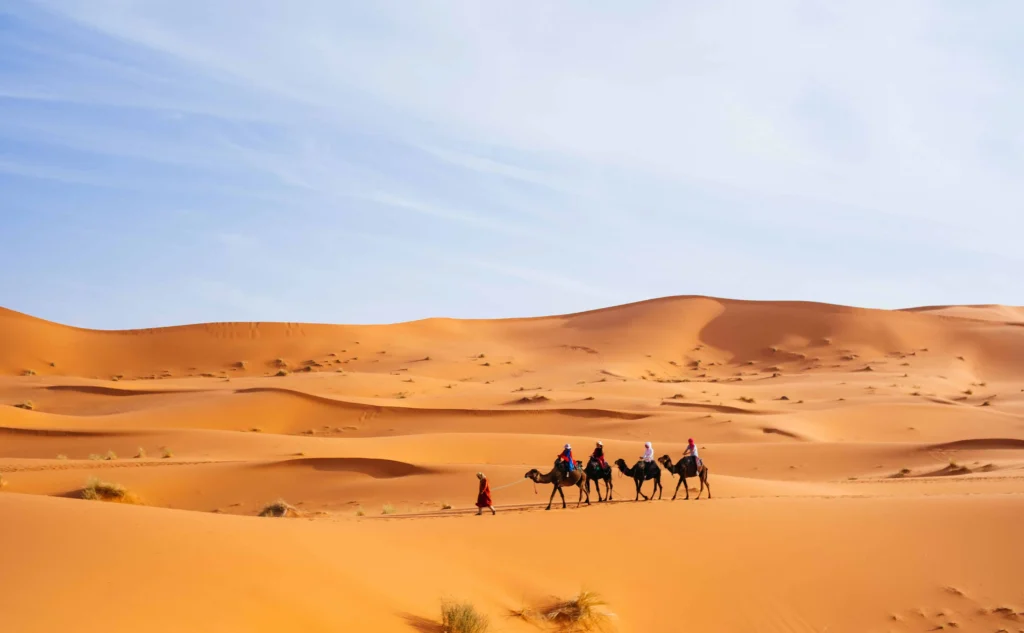
Planning a journey to the Moroccan Sahara requires careful consideration of weather patterns and seasonal conditions. The best time to visit Moroccan Sahara depends on your tolerance for temperature extremes and the type of experience you seek. This comprehensive guide will help you choose the perfect window for your desert adventure, whether you’re dreaming of camel treks, starlit camps, or exploring ancient kasbahs.
Understanding the desert’s climate patterns is essential for a comfortable and memorable trip. While the Sahara offers year-round access, certain months provide ideal conditions that enhance every aspect of your journey.
Quick Answer: Best Time To Visit Moroccan Sahara
The best time to visit Moroccan Sahara is from October to April, with peak months being March-April and October-November. During these periods, daytime temperatures range from 20-30°C (68-86°F), making desert activities comfortable. Avoid June-August when temperatures exceed 45°C (113°F).
Optimal Seasons for Sahara Travel
The best time to visit Moroccan Sahara falls distinctly within two shoulder seasons: spring (March-April) and autumn (October-November). During these months, the desert climate becomes remarkably pleasant, with comfortable daytime temperatures and cool evenings perfect for traditional Berber camping experiences.
According to climate data for the Sahara Desert, these transitional periods offer the most stable weather patterns. The temperature differential between day and night remains manageable, typically ranging from 15-25°C variation rather than the extreme swings experienced in summer months.
Travelers booking Morocco Tours & Desert Trips during these optimal windows report higher satisfaction rates and more comfortable exploration conditions. The moderate climate allows for full-day excursions without the risk of heat exhaustion or extreme cold.
Spring: The Prime Season (March-April)
Spring emerges as the most popular time for Moroccan Sahara expeditions. March and April deliver near-perfect conditions with average daytime temperatures hovering between 25-30°C (77-86°F). The desert landscape occasionally showcases brief wildflower blooms following winter rains, adding unexpected color to the golden dunes.
Why Spring Excels for Desert Travel
- Comfortable temperatures: Ideal for camel trekking and outdoor activities
- Clear skies: Exceptional visibility for photography and stargazing
- Cultural festivals: Many traditional celebrations occur during this period
- Lower wind speeds: Reduced sandstorms compared to summer months
- Moderate crowds: Popular but not overwhelmingly busy
Spring also coincides with optimal conditions for visiting surrounding attractions. Those interested in learning What is a Kasbah Ksar and Medina will find spring weather perfect for exploring these architectural wonders without excessive heat.
Autumn: Another Ideal Window (October-November)
Autumn rivals spring as the best time to visit Moroccan Sahara. October and November offer similar temperature advantages after the brutal summer heat dissipates. As of 2026, tourism statistics show October consistently ranks as the second-most popular month for Sahara visits, trailing only March.
The autumn period provides unique advantages for photographers. The angle of sunlight during these months creates dramatic shadows across the dunes, particularly around the iconic Erg Chebbi and Erg Chigaga formations. Morning and evening “golden hours” extend longer than in summer, offering exceptional shooting opportunities.
Travelers requiring Morocco Private Transfers find autumn particularly convenient, as road conditions remain excellent following summer maintenance work and before winter weather potentially affects mountain passes.
Winter Travel Considerations (December-February)
Winter months present a more complex scenario. While daytime temperatures remain pleasant—typically 18-22°C (64-72°F)—nights can plunge to near-freezing or below. According to NOAA climate records, desert regions experience some of Earth’s most dramatic temperature fluctuations.
Winter Travel Reality Check
One common misconception suggests winter desert camping is impossibly cold. While nights certainly chill, quality Berber camps provide adequate blankets and heating solutions. Many travelers actually prefer winter’s cooler hiking conditions, as you can comfortably explore during midday hours impossible in summer.
However, December and January occasionally bring rain to Morocco. While precipitation remains minimal in the deep Sahara (averaging just 25-100mm annually), access routes through the Atlas Mountains can experience snow, potentially complicating travel logistics. Check with providers like About Us for current conditions before winter bookings.
Summer: Why to Avoid Peak Heat (June-August)
Summer represents the least favorable period and definitively not the best time to visit Moroccan Sahara. Temperatures routinely exceed 45°C (113°F), with some areas reaching 50°C (122°F) or higher. These extreme conditions create serious health risks including dehydration, heat stroke, and exhaustion.
The World Health Organization warns that prolonged exposure to temperatures above 40°C can be dangerous without proper precautions. Desert activities become not just uncomfortable but genuinely hazardous during summer peak hours.
Additionally, summer brings increased wind speeds and frequent sandstorms, particularly in July. These conditions reduce visibility, create respiratory discomfort, and can disrupt travel schedules. Most experienced tour operators significantly reduce summer departures for safety reasons.
Understanding Desert Weather Patterns
The Moroccan Sahara’s climate classification as a hot desert (BWh according to Köppen climate classification) means extreme temperature variation and minimal precipitation. Annual rainfall averages less than 100mm, concentrated primarily in winter months.
Monthly Temperature Overview
| Month | Day Temp | Night Temp | Rating |
|---|---|---|---|
| March-April | 25-30°C | 10-15°C | ⭐⭐⭐⭐⭐ |
| October-November | 22-28°C | 8-14°C | ⭐⭐⭐⭐⭐ |
| December-February | 18-22°C | 2-8°C | ⭐⭐⭐ |
| June-August | 40-50°C | 25-30°C | ⭐ |
Microclimate variations exist within the Sahara. Areas near the Atlas Mountains experience cooler temperatures and higher rainfall than deep desert locations. Coastal-adjacent regions benefit from Atlantic influences, moderating extremes slightly.
Essential Planning Tips
Selecting the best time to visit Moroccan Sahara represents just the first planning step. Successful desert expeditions require additional preparation regardless of season.
Booking Considerations
Reserve accommodations and tours 2-3 months in advance for spring and autumn travel. These peak seasons fill quickly, especially around major holidays. Winter offers more flexibility, while summer—though not recommended—provides lowest prices and immediate availability.
For specific inquiries about seasonal availability and current conditions, Contact Us directly. Experienced operators provide real-time insights that generic advice cannot match.
Packing Essentials by Season
- Spring/Autumn: Layers for temperature variation, sun protection, light jacket for evenings
- Winter: Warm jacket, thermal layers, gloves for early morning, daytime sun protection
- Summer (if unavoidable): Maximum sun protection, cooling accessories, electrolyte supplements
Regardless of season, bring high-SPF sunscreen, sunglasses, wide-brimmed hat, and refillable water bottles. Desert sun intensity remains high year-round, capable of causing severe sunburn within minutes of unprotected exposure.
Health and Safety
Hydration requirements increase dramatically in desert environments. Consume at least 3-4 liters of water daily during cooler months, more in summer. Dehydration symptoms often appear before you feel thirsty, so maintain consistent fluid intake.
Review our Frequently Asked Questions section for additional health and safety guidance specific to Sahara travel. These resources cover everything from altitude considerations to dietary recommendations.
Frequently Asked Questions
What is the absolute best month to visit the Moroccan Sahara?
March and October are considered the absolute best months, offering optimal temperature balance with daytime highs of 25-28°C (77-82°F) and comfortable evenings. These months also feature stable weather patterns with minimal rainfall and excellent visibility for stargazing and photography.
Can you visit the Moroccan Sahara in summer?
While technically possible, summer visits (June-August) are strongly discouraged due to extreme temperatures exceeding 45°C (113°F). These conditions create serious health risks and make outdoor activities uncomfortable or dangerous. Most reputable tour operators limit summer departures for safety reasons.
How cold does the Sahara get at night in winter?
Winter nights (December-February) in the Moroccan Sahara can drop to 0-5°C (32-41°F), occasionally dipping below freezing in deep desert areas. However, quality desert camps provide adequate bedding and heating. Proper layering makes winter camping comfortable despite the temperature drop.
Does it rain in the Sahara Desert?
Yes, but minimally. The Moroccan Sahara receives 25-100mm of rainfall annually, primarily during November-February. Rain events are brief and infrequent. While rare, occasional winter storms can affect mountain access routes to the desert. Always check current conditions before traveling during winter months.
How many days should I spend in the Sahara?
A minimum of 2-3 days allows for meaningful desert immersion, including camel trekking, overnight camping, and sunrise/sunset experiences. Many travelers opt for 3-4 days to explore multiple dune systems and visit nearby kasbahs. This duration provides authentic experiences without rushing while fitting into typical Morocco itineraries.
Are sandstorms common in the Moroccan Sahara?
Sandstorms occur most frequently during summer months (June-August) when wind speeds increase. Spring and autumn experience minimal sandstorm activity, making them safer and more pleasant for travel. Winter sees the lowest wind speeds. When storms do occur, they typically last several hours rather than days and experienced guides know how to navigate them safely.
Conclusion
Determining the best time to visit Moroccan Sahara ultimately depends on your specific preferences and tolerance levels, but the evidence clearly points to spring and autumn as optimal periods. March through April and October through November deliver the ideal combination of comfortable temperatures, stable weather, and excellent conditions for all desert activities.
Winter months offer a viable alternative for budget-conscious travelers willing to embrace cooler evenings, while summer should be avoided except under exceptional circumstances. By aligning your visit with these seasonal recommendations, you’ll maximize enjoyment and minimize discomfort during your Sahara adventure.
The Moroccan Sahara rewards careful planning with unforgettable experiences—endless golden dunes, star-filled nights, and profound desert silence. Choose your timing wisely, and the world’s most famous desert will exceed your expectations.
[…] For more detailed advice, read our guide to the best time to visit the Moroccan Sahara. […]