
Fes Morocco: Discover the Medina, New Town, History and Sahara Desert Tours
Fes, also written as Fez, is one of the most fascinating cities in Morocco. Known for its ancient medina, traditional crafts, beautiful architecture and rich history, Fes offers travelers a chance to experience a side of Morocco that feels deeply connected to the country’s past.
For many visitors, Fes is also the perfect starting point for a journey toward the Sahara Desert. From the historic streets of Fes, travelers can cross the Middle Atlas Mountains, pass through cedar forests and Berber towns, discover the Ziz Valley and finally reach the golden dunes of Erg Chebbi near Merzouga.
Whether you are interested in history, culture, architecture, food or adventure, Fes deserves a place on your Morocco itinerary.
Where Is It?
Fes is located in northern Morocco, between the Rif Mountains and the Middle Atlas region. Its central location makes it an excellent base for exploring several parts of the country.
The city is approximately:
- 200 km from Chefchaouen
- 65 km from Meknes
- 470 km from Marrakech
- Around 460 km from Merzouga, depending on the route
Its location also makes Fes an important stop for travelers following the historic routes toward southeastern Morocco and the Sahara.
One of the most popular journeys is the route from Fes to Merzouga, which takes travelers from the cultural heart of Morocco into the dramatic landscapes of the Middle Atlas and Sahara.
A Brief History of Fez
Fez has a long and fascinating history.
The city was founded in the late 8th century by Idris I, with further development taking place under his son, Idris II. Over the centuries, Fez became an important political, religious, cultural and commercial center.
Its importance grew particularly under the Almoravid, Almohad, Marinid and later dynasties.
During the Marinid period, Fez experienced a particularly important cultural and architectural development. Many monuments, religious schools and public buildings were constructed, some of which can still be admired today.
Fez became one of Morocco’s great centers of Islamic learning.
Its position along important trade routes also helped connect the city with other parts of Morocco and the wider Islamic world.
For centuries, merchants, scholars, craftsmen and travelers passed through its gates.
Today, walking through the old medina gives visitors a sense of this extraordinary history.
Fez el-Bali: The Ancient Medina
The heart of historic Fes is Fez el-Bali, the old medina.
This enormous historic quarter is one of the most important attractions in Morocco and is recognized as a UNESCO World Heritage Site.
The medina is famous for its maze of narrow streets and alleyways.
Walking through Fez el-Bali can feel like stepping into another century.
Donkeys carrying goods, craftsmen working in small workshops, colorful shops, traditional bakeries and historic mosques all contribute to the unique atmosphere.
There is no need to rush.
Some of the best experiences in Fez happen when you simply walk slowly through the streets and observe everyday Moroccan life.
What Can You See in the Fes Medina?
There are many fascinating places to discover inside and around the old medina.
Bou Inania Madrasa
The Bou Inania Madrasa is one of the most impressive examples of Marinid architecture in Fez.
Its carved plaster, beautiful zellige tilework, cedar wood and traditional Islamic architectural details make it a must-see for visitors interested in Moroccan history and craftsmanship.
Al Quaraouiyine
Fez is home to Al Quaraouiyine, founded in the 9th century.
It developed into an important center of Islamic learning and scholarship and is one of the city’s most famous historic institutions.
Its presence reflects Fez’s centuries-old role as a center of knowledge.
Nejjarine Museum and Square
The Nejjarine area is associated with traditional Moroccan woodworking.
The architecture around the square is particularly beautiful, and the area provides another opportunity to appreciate the craftsmanship for which Fez is famous.
Bab Bou Jeloud
One of the most recognizable entrances to the medina is Bab Bou Jeloud, often called the Blue Gate.
Its blue and green decoration has become one of the iconic images of Fes.
It is an excellent starting point for exploring the old medina.
The Famous Tanneries of Fes
One of the most memorable experiences in Fez is visiting the traditional leather tanneries.
The tanneries are famous for their large stone vats filled with natural dyes and materials used in the traditional leather-making process.
From nearby terraces, visitors can see workers preparing and dyeing leather using techniques that have been practiced for generations.
The smell can be strong, especially in warm weather, but this is part of the authentic experience.
Fez remains famous for its leather products, including bags, belts, shoes and traditional Moroccan slippers known as babouches.
If you want to buy leather products, take your time comparing quality and prices rather than purchasing the first item you see.
Fes el-Jdid and the Royal Palace
Fez is not only the old medina.
The historic area of Fes el-Jdid, meaning “New Fez,” was established during the Marinid period.
It contains important historical buildings, gardens and the famous Mellah, the former Jewish quarter.
The Royal Palace of Fez is located in this area.
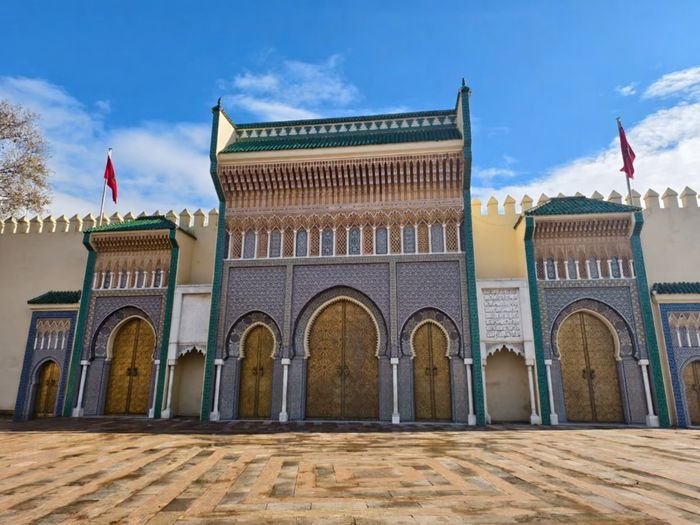
Visitors cannot normally enter the palace itself, but its impressive golden doors are one of the city’s most popular photo stops.
The detailed doors demonstrate the importance of traditional Moroccan craftsmanship.
The Mellah: Jewish Heritage in Fes
The Mellah is an important part of Fes’s history.
For centuries, a Jewish community lived in Fes and contributed significantly to the city’s commercial and cultural life.
Walking through the Mellah provides another perspective on Moroccan history and reminds visitors that Morocco’s heritage has been shaped by different communities over many centuries.
The nearby Jewish cemetery and synagogues provide opportunities to learn more about this part of the city’s history.
The New Town of Fes: Ville Nouvelle
After exploring the ancient medina, it is worth visiting the modern side of the city.
Known as Ville Nouvelle, the New Town developed particularly during the French Protectorate period in the early 20th century.
The atmosphere is very different from Fes el-Bali.
Instead of narrow medieval streets, you find wider avenues, modern shops, cafés, restaurants, hotels and administrative buildings.
A visit to Ville Nouvelle shows the contrast between two sides of Fes:
The Medina: traditional, historic and labyrinthine.
Ville Nouvelle: modern, open and influenced by European urban planning.
This contrast is one of the things that makes Fes so interesting.
Avenue Hassan II
Avenue Hassan II is one of the main avenues of modern Fes.
It is lined with cafés, restaurants, shops and green spaces and is a popular place for both locals and visitors.
After spending hours exploring the medina, sitting at a café in the New Town with a Moroccan mint tea can be a relaxing way to experience another side of the city.
The Best Things to Do in Fes
There is plenty to experience beyond simply visiting historical monuments.
Here are some of the best things to do in Fes:
1. Explore the Old Medina
Allow yourself several hours to walk through Fes el-Bali.
A local guide can be particularly helpful because the medina is enormous and easy to get lost in.
2. Visit the Traditional Tanneries
Discover the traditional leather-making process and learn about one of Fes’s most famous crafts.
3. Discover Moroccan Zellige
Fes is renowned for zellige, the intricate geometric mosaic tilework found throughout Moroccan architecture.
You can see this craftsmanship in madrasas, fountains, riads and historic buildings.
4. Try Traditional Moroccan Food
Fes is an excellent city for food lovers.
Try traditional dishes such as:
- Fes-style pastilla
- Tagine
- Couscous
- Harira
- Moroccan salads
- Mint tea
- Traditional Moroccan pastries
Food is an important part of experiencing the culture of Fes.
5. Shop for Traditional Crafts
The medina is full of workshops producing:
- Leather
- Pottery
- Zellige
- Carpets
- Metalwork
- Woodwork
- Traditional clothing
Shopping in Fes can be an enjoyable cultural experience, especially when you meet the craftsmen who create the products.
Fes to the Sahara Desert: A Journey Through Morocco
One of the most exciting journeys you can take from Fes is a Sahara Desert tour to Merzouga.
The journey is not simply about reaching the dunes.
The road itself is part of the adventure.
Leaving Fes, you travel toward the Middle Atlas Mountains and gradually enter landscapes that look completely different from the city.
Depending on your itinerary, you can stop in Ifrane, often known for its European-style architecture, and continue toward the cedar forests around the Middle Atlas.
You may also have the chance to see Barbary macaques in the forest.
From there, the landscape becomes increasingly dry as you approach southeastern Morocco.
Sahara Desert Tours from Fes with Sahara Desert Crew
At Sahara Desert Crew, we arrange private and small-group Morocco tours starting from Fes and connecting the city with the Sahara Desert and other major destinations.
Our itineraries can be customized according to your interests, travel dates and the amount of time you have available.
Fes to Merzouga Desert Tours
A popular option is a Fes to Merzouga desert tour, allowing you to combine Morocco’s historic imperial city with the spectacular Erg Chebbi dunes.
Depending on the itinerary, the journey can include:
Fes → Ifrane → Middle Atlas → Cedar Forest → Midelt → Ziz Valley → Erfoud → Rissani → Merzouga
Once in Merzouga, you can enjoy a camel ride, sunset, desert camp and sunrise.
Fes to Marrakech Desert Tours
Another popular route is traveling from Fes through the Sahara toward Marrakech.
This journey can include:
Fes → Middle Atlas → Midelt → Ziz Valley → Merzouga → Dades Valley → Todgha Gorges → Ouarzazate → Aït Ben Haddou → Marrakech
This is an excellent option for travelers who want to see several of Morocco’s landscapes in one trip.
You move from mountains to oasis valleys, from Sahara dunes to dramatic gorges and finally to the High Atlas Mountains before reaching Marrakech.
Private Morocco Tours from Fes
If you prefer to travel at your own pace, a private tour gives you more flexibility.
You can decide how much time to spend in Fes, where to stop along the road and which experiences are most important to you.
At Sahara Desert Crew, we can arrange tours including:
- Private 4×4 vehicles
- Experienced English-speaking drivers/guides
- Camel trekking
- Desert camps
- Luxury desert camps
- 4×4 desert excursions
- Quad biking
- Sandboarding
- Local guides
- Hotels and riads
- Airport transfers
- Customized Morocco itineraries
How Many Days Do You Need in Fes?
Ideally, allow at least two days in Fes.
One full day can be dedicated to the old medina, including the major monuments, souks, tanneries and traditional workshops.
A second day gives you more time to explore Fes el-Jdid, the Mellah and Ville Nouvelle without rushing.
If you are using Fes as the starting point for a Sahara tour, you should allow additional days for the desert journey.
A 4-day Fes to Marrakech desert tour, for example, can give you enough time to experience Fes, the Sahara, the gorges and Aït Ben Haddou before reaching Marrakech.
Why Visit Fes?
Fes is different from Marrakech.
Marrakech is famous for its lively Jemaa el-Fna, colorful souks and vibrant atmosphere.
Fes feels more historical and traditional.
Its medina is enormous, its craftsmanship is exceptional and its history is deeply connected to Moroccan scholarship and culture.
For travelers interested in understanding Morocco beyond the typical tourist highlights, Fes is an essential stop.
And if you combine Fes with a Sahara Desert tour, you can experience two very different sides of Morocco in the same journey: