
Moroccan Mint Tea: Origins, Ingredients and How to Make Authentic Atay at Home
Moroccan mint tea, known locally as atay, is far more than a drink: it is the way Morocco says welcome. Whether you are sitting in a Marrakech riad, a Fès medina shop or a Berber tent in the Sahara, a glass of sweet, fragrant green tea will be placed in your hands within minutes. In this guide you will discover where the tea leaves and mint come from, how to make authentic Moroccan mint tea step by step, when Moroccans drink it, and simple ideas to bring the ritual into your own home or your next trip.
What Is Moroccan Mint Tea?
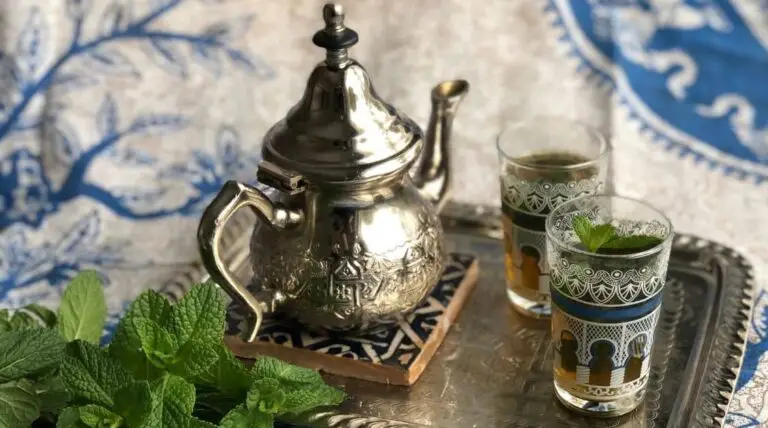
Moroccan mint tea, also called Maghrebi mint tea or thé à la menthe, is a blend of Chinese green tea, fresh spearmint and plenty of sugar, brewed in a small metal teapot and served in decorated glasses. It tastes sweet, cooling and slightly bitter all at once, which is exactly why it pairs so well with Morocco’s heat and rich food.
In Morocco, the tea is a symbol of hospitality. Refusing a glass can feel impolite, and the host usually prepares and pours it personally. Offering tea opens every business deal in the souk, every family visit and every conversation with a stranger. If you want to understand Moroccan culture, start with a glass of atay.
Where Do the Tea Leaves and Mint Come From?
The tea. Morocco does not grow tea commercially. The green tea used for atay is imported, and it is almost always Chinese gunpowder tea, named for its leaves rolled into tight little pellets that unfurl as they steep. Tea is widely said to have become a Moroccan staple in the mid-19th century, when British merchants who had lost Baltic markets began shipping Chinese green tea into Tangier and other Moroccan ports. It spread from the coast to the cities, the mountains and the desert, and Morocco is now one of the biggest buyers of Chinese green tea in the world.
The mint. The mint is the Moroccan part of the story. The classic choice is nana mint, a fragrant spearmint grown in gardens and farms across the country, with the area around Meknes especially known for it. Locals buy it in thick bundles at the souk, and many families grow a pot of it by the door. Nana mint is sweeter and less sharp than peppermint, which gives Moroccan tea its smooth, fresh character.
Ingredients and Equipment for Authentic Moroccan Mint Tea
This recipe makes about four small glasses.
- 1 tablespoon Chinese gunpowder green tea
- 1 small bunch fresh spearmint (nana mint), about 20 to 30 stems
- 3 to 4 tablespoons sugar, adjusted to taste (traditional tea is very sweet)
- 600 ml (about 2.5 cups) boiling water
- A Moroccan metal teapot (berrad) or any small stovetop-safe teapot
- Small tea glasses, ideally decorated
A traditional teapot lets you heat the tea gently on the stove and pour it from a height, but a regular small pot works well at home.
How to Make Moroccan Mint Tea Step by Step
- Rinse the tea. Put the gunpowder tea in the teapot, add a small splash of boiling water, swirl for about 30 seconds and pour that liquid away. This removes the first bitterness and “wakes up” the leaves.
- Brew the tea. Fill the teapot with about 600 ml of boiling water and let it steep for 2 to 3 minutes.
- Add mint and sugar. Push the mint stems into the pot and add the sugar. Many Moroccans add the sugar first and taste as they go.
- Heat gently. Place the teapot over low heat for 2 to 3 minutes until it is just about to boil. Do not let it boil hard, or the mint turns bitter.
- Mix by pouring. Pour one glass of tea, then pour it back into the pot. Repeat once or twice so the sugar, tea and mint blend together.
- Pour from a height. Lift the teapot and pour the tea into the glasses from about 20 to 30 cm above. This cools the tea slightly and creates the light foam, or “crown”, that every host is proud of.
- Serve right away. Add a fresh mint sprig to each glass and serve while hot.
Pro tip: taste before serving. The tea should be sweet, minty and a little strong, never watery.
When Do Moroccans Drink Mint Tea?
The short answer: all day. Moroccan mint tea is served at breakfast with bread and olive oil, after lunch to help digestion, in the late afternoon with pastries, and after dinner with guests. It is also poured at weddings, family gatherings, business meetings and when a neighbour simply drops by.
The tradition of three glasses
Guests are traditionally offered three glasses, each a little different in strength and flavour as the tea keeps brewing. A well-known Moroccan saying compares them to life, love and death: the first is gentle, the second is strong, and the third is bitter. Whatever the saying, finishing at least one glass is a polite way to thank your host.
Variations and Tips to Make Your Tea Even Better
- Winter herbs. In colder months, Moroccans add shiba (wormwood), louiza (lemon verbena) or a little sage for a deeper, warming flavour.
- Less sugar. Start with 2 tablespoons and increase slowly. You can also use honey, but add it after brewing.
- Iced Moroccan mint tea. Brew as usual, chill, then serve over ice with extra mint and a slice of lemon for a refreshing summer drink.
- Fresh mint only. Dried mint works in an emergency, but fresh spearmint gives the real aroma.
- Do not over-boil. Boiling the tea and mint together for too long creates a harsh, bitter taste.
- Serve with something sweet or salty. Almond pastries, dates, msemen (flaky flatbread) or salted nuts all go beautifully with atay.
Moroccan Mint Tea FAQ
What type of tea is used in Moroccan mint tea?
Chinese gunpowder green tea, a rolled green tea that gives a strong, slightly smoky base.
Is Moroccan mint tea healthy?
Green tea and mint are both enjoyed for their refreshing qualities, but traditional atay contains a lot of sugar. For a lighter version, reduce the sugar gradually.
Does Moroccan mint tea contain caffeine?
Yes. It is made from green tea, so it contains caffeine, usually less than coffee. Drink it earlier in the day if you are sensitive.
Why is the tea poured from so high?
The high pour mixes the tea, cools it slightly and creates the foam on top. It is also a sign of the host’s skill.
Can I use peppermint instead of spearmint?
Yes, but the flavour will be sharper. Spearmint is the closest match to the mint used in Morocco.
Taste Real Moroccan Mint Tea in the Sahara
A homemade glass is lovely, but nothing compares to sipping freshly poured atay on a dune at sunset, with the desert turning gold around you. If you want to live that moment, Sahara Desert Crew can make it happen. Their local experts organise private Morocco Sahara tours with camel rides and overnight stays in desert camps, cultural visits to kasbahs and Berber villages, and multi-day journeys from Marrakech, Fes and Casablanca to Merzouga. They also offer day trips, a hot air balloon ride in Marrakech, and private airport and intercity transfers. Visit sahara-desert-crew.com to plan your trip, and your first glass of mint tea in the dunes will be waiting.